
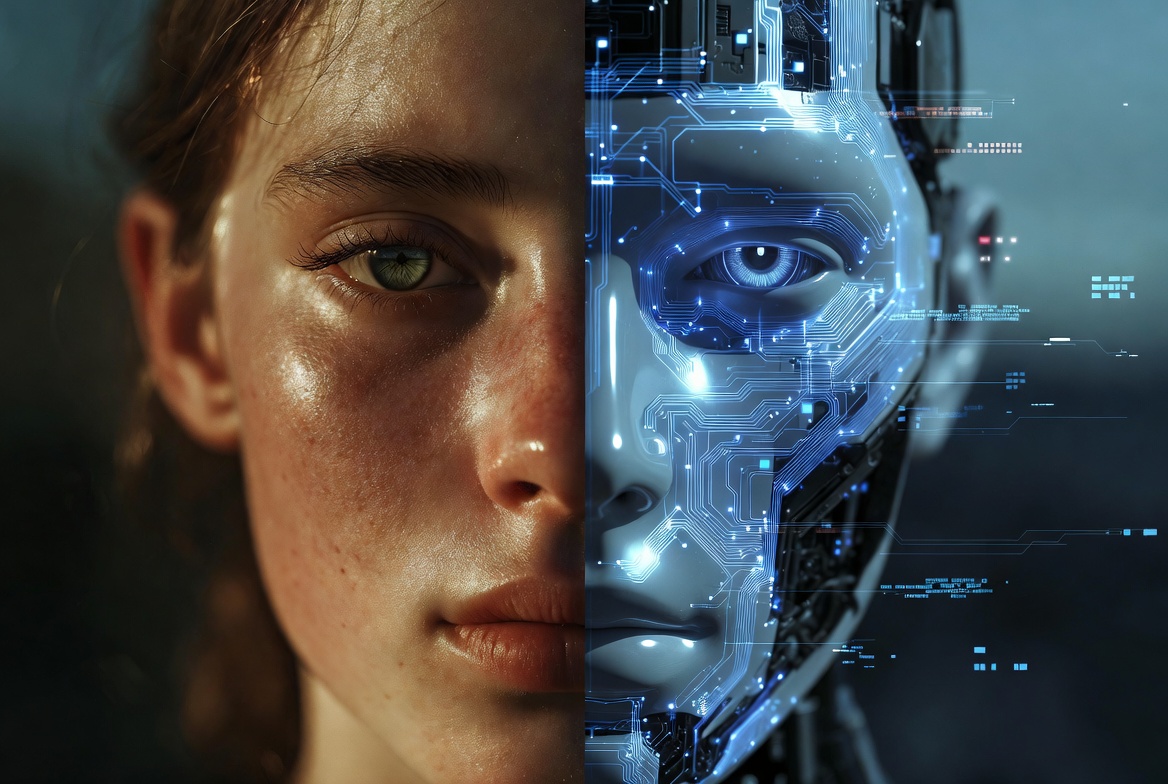
A new U.S. report from the Center for Democracy and Technology (CDT), released on March 31, 2026, revealed a striking statistic: nearly 1 in 5 high school students has either had a romantic or emotional relationship with an AI or knows someone who has.
But how does this trend look in Japan — a country with one of the most advanced AI cultures and a long history of emotional attachment to fictional characters?
Key Findings from the U.S. Report
- 19% of high school students say they or someone they know has had a romantic relationship with an AI.
- 42% report using AI for companionship or mental health support.
- Role-playing sexual or romantic scenarios is among the top uses of AI in schools.
- Nearly half of surveyed teens find conversations with AI more satisfying than talking to real people — mainly because AI never judges and is always available.
The Situation in Japan
Japan is showing even stronger adoption of AI among teenagers:
- According to a February 2026 government report, 46.2% of high school students regularly use generative AI — significantly higher than in the U.S.
- Romantic and emotional relationships with AI are more culturally normalized. Japan has a long tradition of ficto-sexuality — romantic or sexual attraction to fictional characters from anime, games, and virtual idols.
- Many young Japanese people already treat AI companions as natural extensions of this culture. Symbolic “marriages” to AI partners (via Gatebox or custom bots) are relatively common.
- Experts estimate that the percentage of Japanese teens engaging in emotional or romantic interactions with AI is likely 30–40% or higher among active users.
| Aspect | United States | Japan |
|---|---|---|
| % of high schoolers with AI romantic experience | ~19% (or knows someone) | Likely 30–40%+ (estimated) |
| Cultural acceptance | Relatively new and controversial | High – rooted in anime, virtual idols, and ficto-sexuality |
| Main driver | Lack of judgment, constant availability | Loneliness + cultural normalization of fictional relationships |
| Societal reaction | Alarm and public debate | Greater acceptance, less stigma |
| Market development | Growing rapidly | More mature market with dedicated products |
Key Difference: In the United States, the trend is viewed as a new and worrying social issue. In Japan, it is seen as a natural evolution of an existing cultural phenomenon.
What This Means for the Future
Both countries show the same underlying pattern: teenagers are increasingly turning to AI for the emotional connection, understanding, and lack of rejection they struggle to find in real-life relationships.
However, Japan’s higher cultural acceptance means the phenomenon is spreading faster and facing less resistance. This could make Japan a leading testing ground for the next generation of AI companions.
Your Turn
Do you think the trend of teenagers forming romantic relationships with AI is closer to the American or Japanese model in your country? Is this a helpful solution for lonely young people — or a way of avoiding real human connection?
Write your honest thoughts in the comments. The most interesting opinions will be featured in our next article!
Want weekly insights into global AI companion trends, psychology, and the future of human-AI relationships? Subscribe to the newsletter (link in footer) — every Monday the most important stories straight to your inbox ❤️
Sources (March 2026):
- Center for Democracy and Technology (CDT) – “Hand in Hand: Schools’ Embrace of AI Connected to Increased Risks to Students” (March 31, 2026)
- The Japan Times – “Nearly half of Japanese high school students use generative AI” (February 2026)
- Nippon.com – Studies on AI usage among Japanese high school students
- Japan Today – Articles on AI companions and ficto-sexuality in Japan